
Casa Grande Criminal Records
Two court systems keep Casa Grande criminal records. Felonies go to Pinal County Superior Court. Misdemeanors land at Casa Grande City Court. Traffic cases go to City Court too. You can search for case info online. Submit public records requests through the City Clerk office. Visit courthouses in person during business hours. Each method has different steps and wait times for getting copies.
Casa Grande Quick Facts
Felony Court Records
Pinal County Superior Court handles all Casa Grande felonies. A satellite office operates in Casa Grande. This provides local access. Call 520-509-3555 for help. Use toll free 888-431-1311 from outside the area. Search felony cases online through Arizona Courts Public Access. This portal is free to use. Results show case status and charges. For document copies, use the online records request form. You can also visit the courthouse in person during business hours.
Standard copies cost 50 cents per page. Certified copies run 35 dollars per document. These include an official court seal. Research fees apply without case numbers. Staff charge 35 dollars per year searched. Bring the exact case number to avoid this fee. Pay with cash, cashier check, personal check, credit card, or money order. All payment methods work at the courthouse.
Casa Grande City Court Records
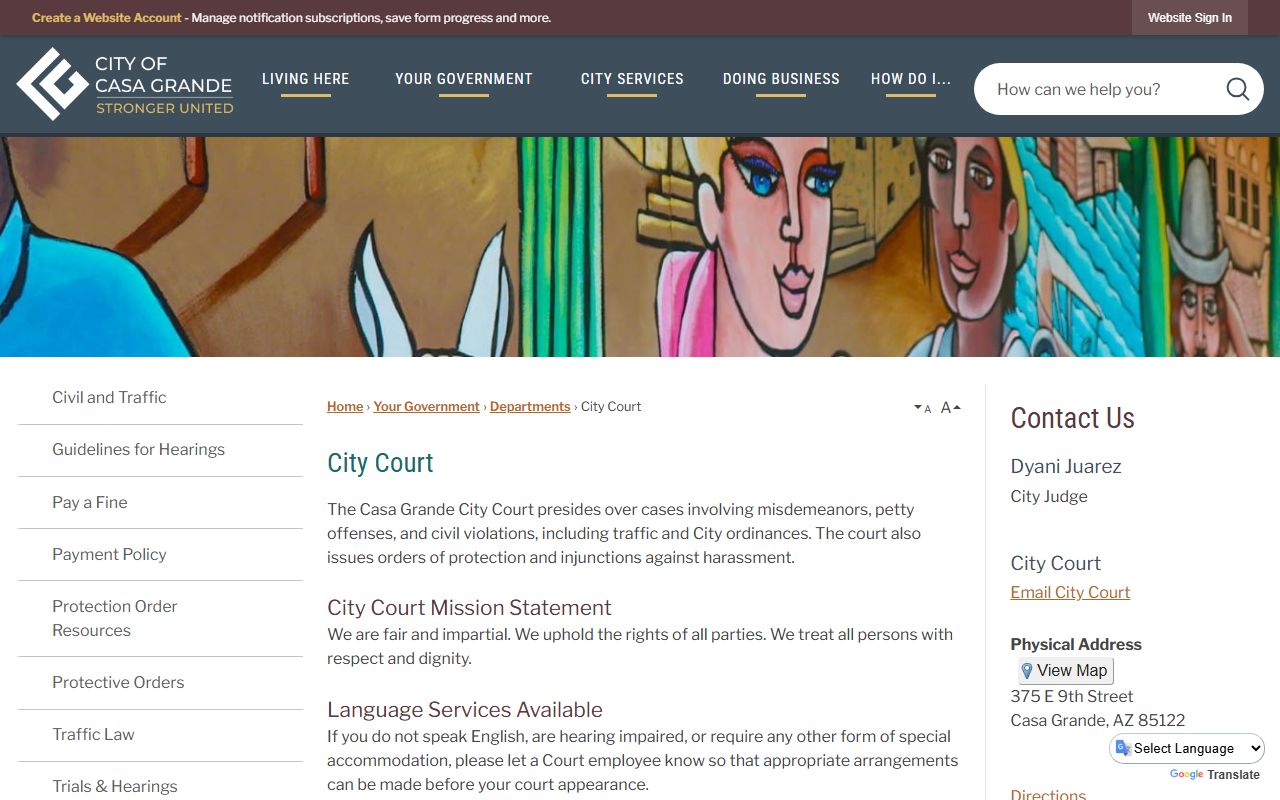
Casa Grande City Court sits at 375 East 9th Street. Call 520-421-8675 for info. The court website is casagrandeaz.gov/171/City-Court. This court handles misdemeanor criminal charges. Traffic cases get heard here. Felonies always go to Superior Court. Court hours are Monday through Friday. Public counter service operates during business hours.
The court processes DUI offenses and domestic violence charges. Assault cases come through often. Shoplifting and theft under certain amounts land here. Drug possession cases get filed regularly. Disorderly conduct violations are common. Trespassing charges appear frequently. Traffic violations include speeding tickets. Driving without insurance gets you cited. Suspended or revoked license charges are processed here. Reckless driving cases are heard at this court. City code violations come through as well. The court maintains case files for all proceedings over many years.
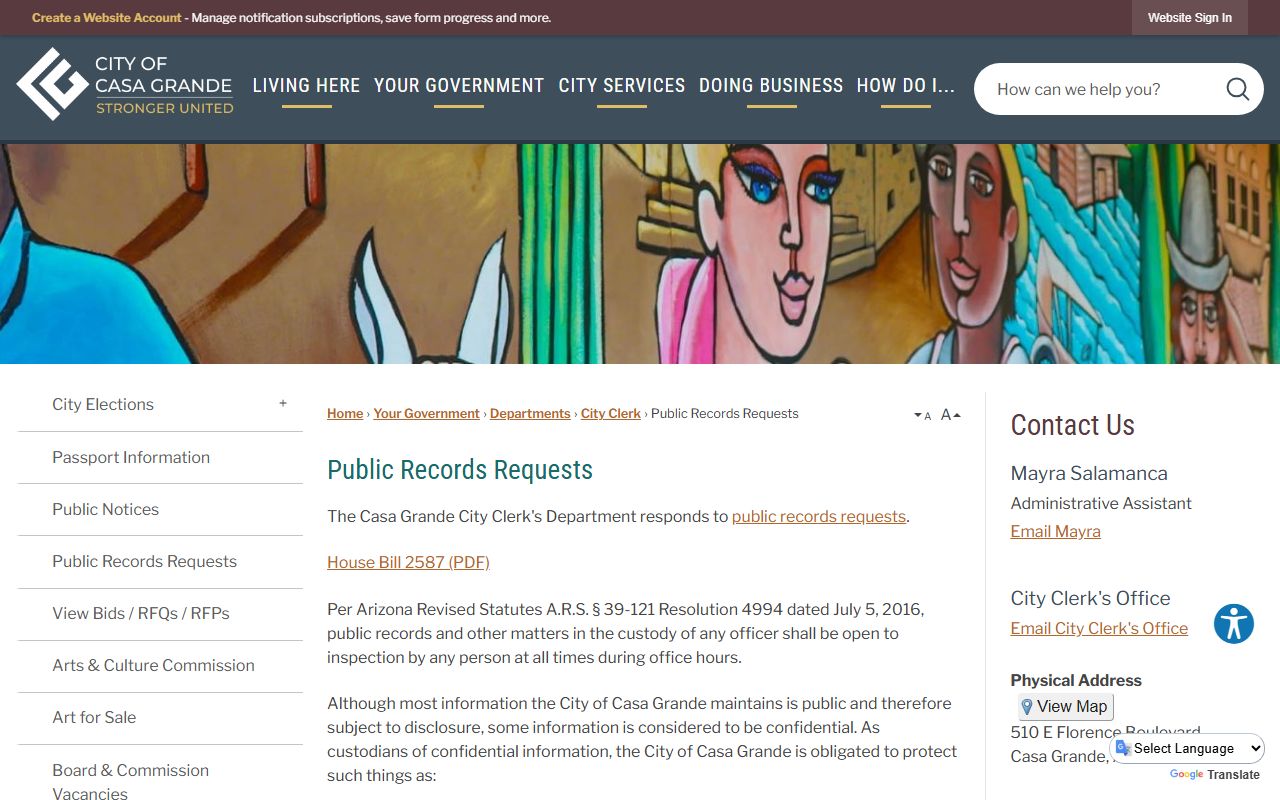
Public records requests go through the City Clerk. This is city procedure. Submit requests using the public records request process. The city website has the form. Include the full case number. List the defendant name clearly. Add the date of offense. Provide contact details for replies. City Clerk staff coordinate with the court. They locate files and pull documents. Staff respond with fee estimates. Fees depend on page counts and processing time required for that specific request.
Court records include charging documents and court minutes. Plea agreements are kept on file. Sentencing orders show final outcomes. Disposition records close cases. Most files are public by law. Some get sealed by court order. Processing times vary a lot. Simple requests take a few business days. Complex requests with many documents take longer. Current workload at both the City Clerk office and the court affects speed. Pay with cash, check, or card. Always ask about current fees first. The city updates fee schedules periodically based on council decisions.
Getting Court Records
Contact Pinal County Superior Court for Casa Grande felony records. The Casa Grande satellite office gives you local access. Call 520-509-3555 for help. Use the online records request form on their website. Visit the satellite office during business hours if you prefer in-person service. Processing takes five to ten business days after you submit payment for copies.
Contact Casa Grande City Court for misdemeanor records. The court is at 375 East 9th Street. Call 520-421-8675 with questions. Submit public records requests through the City Clerk office. Visit in person with your request form. You can mail written requests too. Processing times vary based on case age and how busy staff are.
Other Major Arizona Cities
Other large cities in Arizona have separate court systems.